
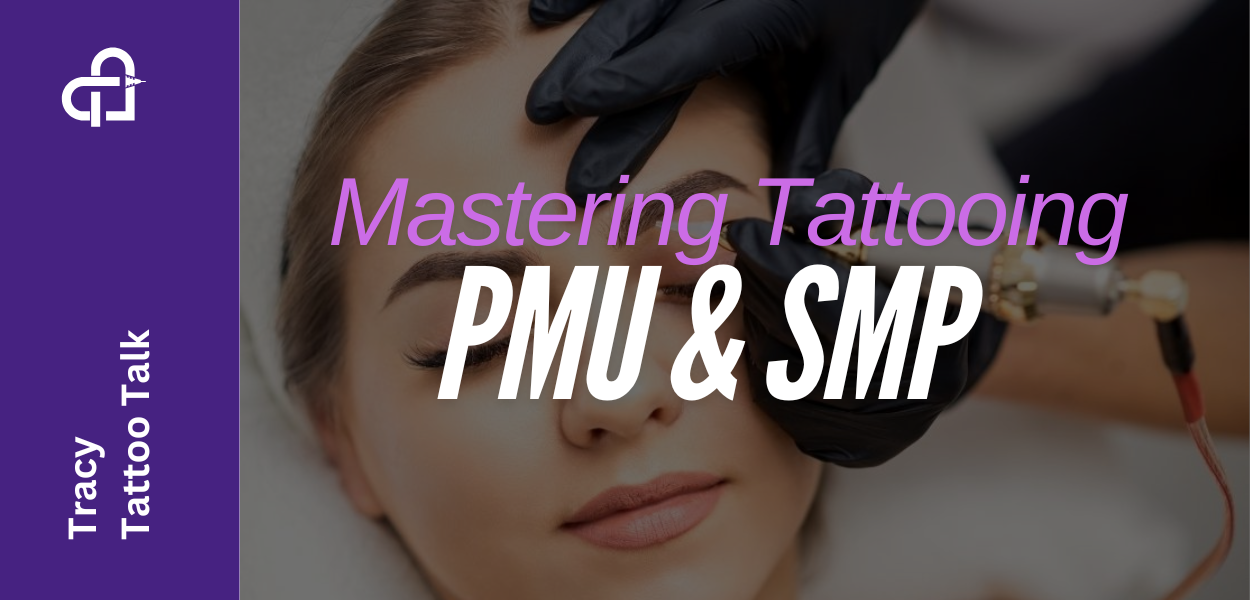
The cosmetic tattooing industry has undergone a significant transformation in recent years. Once considered a niche service, it is now a key segment of the global beauty market. Leading this evolution are two specialized techniques: Permanent Makeup (PMU) and Scalp Micropigmentation (SMP). In 2025, both PMU and SMP are experiencing strong growth, driven by increasing demand for long-lasting, low-maintenance aesthetic solutions.
Today, T&T brings you an in-depth look at the key factors behind the rise of PMU and SMP, how tools and techniques are evolving, and the trends shaping the future of cosmetic tattooing. Let’s dive in.
Understanding PMU and SMP
What Is PMU?
Permanent Makeup (PMU) is a form of cosmetic tattooing designed to enhance facial features using semi-permanent pigments. Common procedures include eyebrow tattoos (such as microblading, ombré, and powder brows), eyeliner, lip tint or blush, and even freckles or beauty marks. Unlike traditional tattooing, PMU uses specialized machines and ultra-fine needles to deliver soft, natural-looking results. The effects typically last between one to three years, depending on skin type, pigment retention, and aftercare.

What Is SMP?
Scalp Micropigmentation (SMP) is a highly specialized technique that replicates the appearance of hair follicles using cosmetic tattooing. It is commonly used to create the illusion of a full buzz cut for bald clients, add density to thinning areas, or camouflage scarring from hair transplants or injury. SMP is rapidly gaining popularity among both men and women experiencing hair loss and is often chosen as a low-maintenance, non-surgical alternative to traditional hair restoration methods.

PMU and SMP services are typically offered in:
- Permanent makeup studios
- Tattoo studios (with a cosmetic focus)
- Medical aesthetics clinics
- Beauty salons or spas (with certified professionals)
- Scalp clinics or hair restoration centers
Getting Started In the Industry
The rapid growth of PMU and SMP is not accidental—it’s the result of converging trends in beauty, lifestyle, and consumer expectations.
Who are these services for?
PMU and SMP serve a wide range of clients across different needs and demographics.
PMU is especially popular among busy professionals, beauty enthusiasts, and individuals with sparse hair growth who want a consistent, polished makeup look without daily application.

SMP, on the other hand, is commonly sought by people experiencing pattern baldness, alopecia, or general hair thinning, as well as those recovering from chemotherapy or surgical hair procedures. Beyond aesthetics, both services are increasingly integrated into medical and restorative practices, including dermatology clinics and reconstructive cosmetic centers.
Certifications and Licensing Requirements
Becoming a certified PMU or SMP artist requires formal training, and regulations differ by country and region. Here's a general overview:
- United States: Most states require a Bloodborne Pathogens Certificate, and licensing is handled by the local health department or state board. PMU and SMP courses must often be completed through accredited training providers.
- Canada: Varies by province. Health certifications and training in infection control are usually mandatory. Some provinces require a license through local public health offices.
- United Kingdom: Artists must register with their local council and comply with health and safety regulations. PMU/SMP training must include skin anatomy, hygiene, and pigment application.
- EU Countries: Regulations differ widely, but most require a recognized vocational qualification, hygiene certification, and adherence to REACH regulations (pigment safety laws introduced in 2022).
- Australia: Licensing is typically handled at the state level. Artists must complete accredited PMU/SMP training and obtain infection control certification.

However, local laws and licensing requirements vary. This information is for reference only. To understand the exact requirements in your area, please contact your local licensing authority or regulatory body.
Why T&T Is the Trusted Partner for Tattoo Professionals Worldwide
T&T Cartridges stand out where it matters most - in their premium construction and smart engineering. Here’s what truly sets us apart:

-
Capillary Reservoir
Introducing our patented Capillary Reservoir, a revolutionary feature that distinguishes our tattoo needle cartridges from others:
Zero Leakage: The Capillary Reservoir eliminates ink splatter entirely, ensuring a 100% accurate ink flow. Tattoo artists gain impeccable control, free from the frustration of imprecise ink delivery.
Long-lasting and Smooth: Our reservoirs flawlessly transfer ink, providing continuous, smooth ink flow. This prolongs tattooing sessions with minimal interruptions, making the process enjoyable for both artists and clients.
-
Patented Membrane
Experience precision like never before with our Patented Membrane:
Absolutely Stable: Our uniquely designed membrane offers superior stability, securing needles even for intricate designs. It balances to-and-fro tension with a strategically applied downward force, ensuring that needles remain tightly pressed against the cartridge’s tip.
Conclusion
The continued rise of PMU and SMP reflects not only changing beauty standards but also the evolving capabilities of the cosmetic tattoo industry. As techniques become more advanced and consumer expectations grow, the demand for precision tools, safer pigments, and specialized equipment will only increase.
At T&T, we are committed to supporting every corner of the tattoo industry. Our mission is to bring the best technology to artists and studios worldwide, covering all aspects of the craft to ensure quality, consistency, and customer satisfaction.
Don’t forget to take advantage of our summer sales to stock up on your favorite products. Thanks for reading — and see you next time for more insights from the world of tattooing.



Leave a comment
All comments are moderated before being published.
This site is protected by hCaptcha and the hCaptcha Privacy Policy and Terms of Service apply.